Upgrade Your Outdoor Environment: Skilled Deck Services for All Homes
Enhancing an exterior living area can improve both its aesthetic appeal and functionality. Professional decking solutions present tailored solutions that address individual preferences and budgets. Skilled professionals emphasize high-standard building and modern concepts, elevating the quality of exterior living. Considering the diverse selection of materials and amenities, homeowners often consider what choices best suit their needs. Gaining insight into the selections can lead to a more satisfying investment in their property.
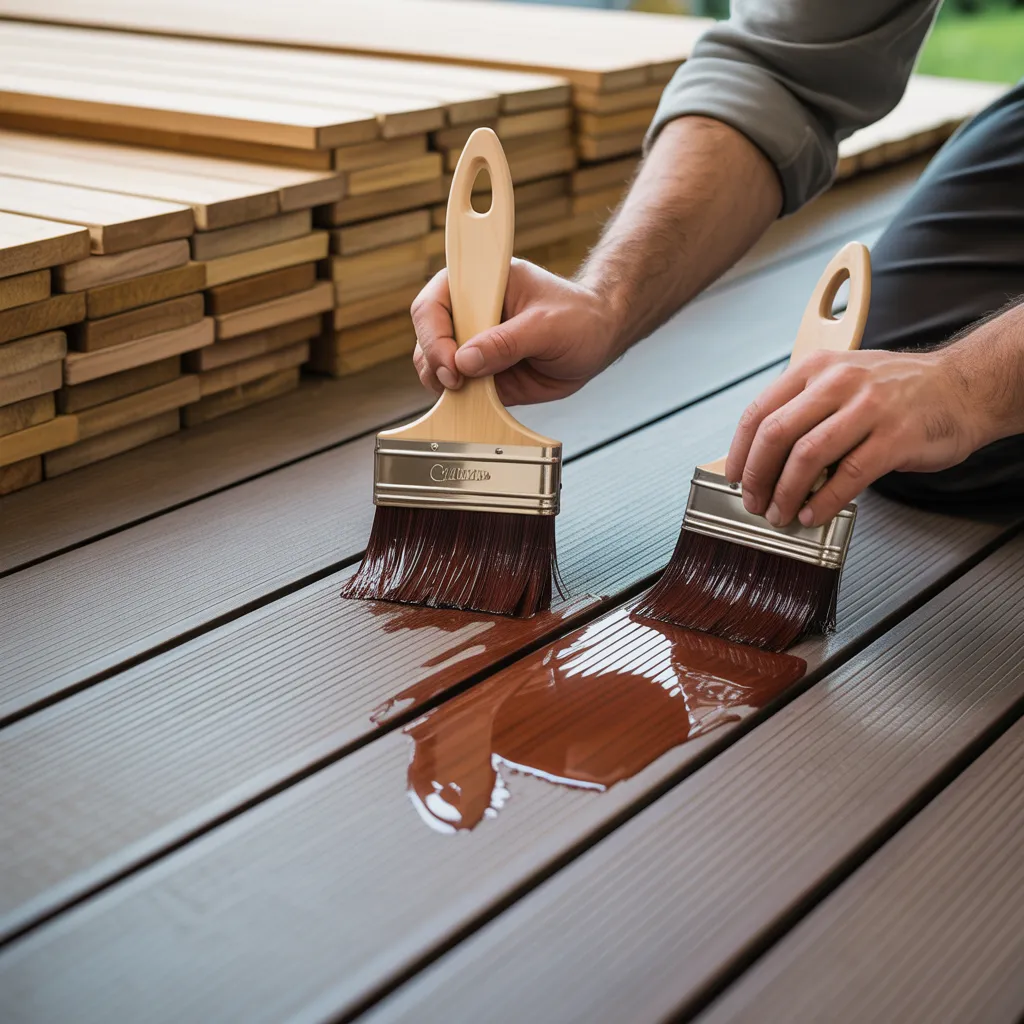
The Benefits of Investing in Expert Deck Services
Utilizing skilled decking professionals can significantly improve the longevity and aesthetic appeal of outdoor living areas. Experts bring specialized knowledge that confirms a deck is installed or upkept to the greatest quality. Their proficiency allows for precise construction practices, which lower the likelihood of integrity concerns over time. Moreover, experienced deck professionals can detect and resolve potential problems before they worsen, sparing homeowners from significant repair costs in the future.
Additionally, skilled contractors regularly use cutting-edge tools and techniques, resulting in a more polished finish that improves the general appearance of the residence. This attention to detail can substantially boost a home's resale value. Additionally, experts remain informed about the most current developments in deck building, offering homeowners choices that showcase modern aesthetics. By choosing professional deck contractors, homeowners benefit from improvements to the immediate appeal of their exterior living areas but also for the enduring quality and resilience of their property asset.
Choosing the Right Materials for Durability and Style
Selecting the right materials for a deck requires careful consideration of options like wood and composite alternatives. Each material offers distinct advantages concerning durability and aesthetic appeal, particularly when accounting for resistance to weather. Grasping these key aspects is essential for reaching a well-informed decision that balances style with longevity.
Wood vs. Composite Options
Picking the right options for an outdoor deck requires a careful combination of style and durability. Residents often encounter the choice between composite materials and traditional wood. Wood, often chosen for its natural beauty and warmth, offers a enduring aesthetic but may demand regular care to guard against rot and warping. On the other hand, composite lumber, composed of a blend of wood fibers and plastic, offers a low-maintenance solution, resisting discoloration and splintering over time. While wood can enhance a timeless aesthetic, composites offer a modern attraction with a range of colors and textures. In the end, the selection is based on personal preferences, budget considerations, and desired longevity, making it essential for homeowners to evaluate the merits of each material thoroughly.
Weather Resistance Elements
When examining decking materials for outdoor spaces, understanding weather resistance factors is crucial for guaranteeing lasting durability and visual appeal. Different materials react uniquely to environmental conditions, affecting their longevity and upkeep requirements. For instance, composite decking is built to handle moisture, UV radiation, and temperature variations, making it a popular choice for homeowners seeking low-maintenance options. In examine this material contrast, natural wood may be vulnerable to rot and pest damage without proper treatment and care. Moreover, climate plays a crucial role; areas with high humidity may favor materials with enhanced moisture resistance. At the end of the day, picking the ideal decking material means finding the right balance between durability, design, and local weather considerations, creating an attractive outdoor area capable of enduring the elements.
Unique Designs: Designing Your Deck to Reflect Your Vision
Tailored designs for outdoor decks provide homeowners with the ability to integrate one-of-a-kind elements that express their personal taste. When opting for carefully chosen materials and thoughtful layout considerations, people can build a space that is aesthetically pleasing while meeting their daily living requirements. This customized strategy confirms that each deck serves as a natural continuation of the living space.
Exceptional Design Characteristics
In what ways can distinctive design features turn an outdoor deck into a private retreat? Through the integration of custom features, homeowners are able to craft a space that showcases their personality and improves functionality. Bespoke railings, built-in benches, and decorative lighting can upgrade the aesthetic value while delivering tangible benefits. Furthermore, integrating planters or trellises allows for lush greenery, promoting a serene atmosphere. Creative configurations or split-level designs can enhance space utilization, enabling diverse activities including socializing or leisure. In addition, tailored color combinations and surface textures can integrate the deck naturally with the neighboring landscape. These distinctive elements not only enhance aesthetic appeal but also encourage a sense of relaxation, establishing the outdoor deck as a natural extension of the household.
Available Material Options
Distinctive design features play a key role in choosing the appropriate materials, which serve a critical function in achieving a homeowner's dream outdoor deck. A wide range of choices exist, each providing unique advantages and visual appeal. Natural wood, known for its warmth and classic appeal, requires regular maintenance but can create a timeless look. Composite options, by contrast, offer exceptional durability and minimal maintenance, ideal for active homeowners who prioritize lasting performance. For a contemporary touch, aluminum or PVC decking can enhance modern designs while resisting weathering. When selecting materials, homeowners ought to evaluate their preferred aesthetic, local weather patterns, and upkeep expectations. At the end of the day, the best material decision not only supports the deck's design intent but also fits seamlessly with the homeowner's way of life and long-term vision.
Operational Layout Attributes
A carefully designed outdoor deck can transform a backyard into a functional oasis, designed to fulfill the individual preferences of homeowners. Practical layout elements are essential in realizing this goal. Personalized plans can include multiple areas, such as dining areas, lounges, and play spaces, making certain that every square foot serves a purpose. Property owners can opt for staggered platforms, permanent benches, or built-in garden features to enhance usability and aesthetics. Consideration of traffic flow and accessibility is essential, allowing for smooth movement between spaces. Additionally, features like shade structures or lighting can create an inviting atmosphere for day and night use. Ultimately, a thoughtfully designed deck enhances both functionality and enjoyment, positioning it as a valuable expansion of the household.
Key Features Every Deck Should Have
An appealing deck turns a backyard area into a functional extension of the living space. Important characteristics boost both usability and beauty, making the deck a desirable gathering place. Starting off, built-in seating options provide comfort and maximize space, enabling effortless social gatherings. Additionally, incorporating shade structures, like pergolas or retractable awnings, delivers shade from harsh rays while cultivating an inviting setting.
Lighting is another must-have; strategically placed fixtures can prolong outdoor enjoyment after dark, creating a cozy atmosphere. Additionally, incorporated planters bring natural greenery, enhancing the deck's aesthetic and bridging the space with the natural surroundings. To complete the space, installing an outdoor kitchen or bar enhances the environment, inspiring creative cooking and social gatherings.
These features not only enhance the deck's aesthetic but also increase the home's overall value, creating a perfect blend of style and practicality. A carefully constructed deck serves as a treasured sanctuary for loved ones and guests alike.
How to Get Your Deck Ready for Every Season
Readying a deck for every season secures its lasting condition and improves use throughout the year. In spring, homeowners should check for damage from winter, clean the surface, and add a weatherproof coating to protect from moisture. Preparing for summer requires regular cleaning and confirming that patio furniture and decor are UV-resistant to minimize sun damage.
As fall approaches, it becomes necessary to clear away leaves and debris to prevent mold and mildew, while also examining for loose boards or nails. Moreover, getting ready for winter necessitates a thorough cleaning and the application of an ice-melting agent to avoid damage caused by snow and ice.
Protecting the deck with a weatherproof tarp can additionally guard it from severe weather conditions. By following these seasonal maintenance steps, homeowners can guarantee their decks remain structurally sound, practical, and aesthetically pleasing year-round, enhancing outdoor enjoyment regardless of the season.

Tips for Maintaining Your Deck's Longevity
Preserving a deck demands consistent focus and effort to guarantee its longevity and aesthetic appeal. Regular cleaning is essential; sweeping away debris and washing the surface with a gentle cleaner works to eliminate mold and mildew buildup. Checking for loose boards, nails, or screws is essential, as these can lead to safety hazards and additional damage.
Adding a protective coating every few years can protect the wood from humidity and sun exposure, greatly increasing its durability. With each change of season, it is recommended to inspect for indicators of damage, such as splintering or fading, and tackle these concerns without delay. Additionally, elevating planters and furniture can avoid the buildup of moisture below. By following these upkeep guidelines, homeowners can be confident their decks remain safe, functional, and visually appealing for the long term.
How to Choose the Right Deck Builder for Your Project
How do homeowners go about finding the most qualified deck builder for their project? To begin, they should gather referrals from friends, family, or online reviews to find trustworthy builders. Next, verifying credentials is vital; homeowners should make certain the builder is licensed and insured to protect against potential liabilities.
Additionally, evaluating a construction professional's previous work can reveal details about their workmanship and aesthetic. Property owners should ask for references and make contact to assess satisfaction from past clients.
Moreover, gathering several quotes will enable a comparison of the prices and services offered, confirming that homeowners recognize the quality offered by each builder.
Finally, open communication is vital; a skilled builder will hear out project plans and contribute informed suggestions, encouraging a teamwork-oriented dynamic. By applying these measures, residents can make an informed decision when picking a deck builder suited to their goals and resources, thereby improving their exterior living area.
Questions We Often Hear
How Much Time Does a Standard Deck Installation Require?
A standard deck installation generally takes one to three weeks on average, influenced by the size, materials, and project complexity. Site preparation and weather conditions may also affect the total timeline.
What Permits Are Needed for Deck Construction?
In most cases, deck construction requires official permits, which may include zoning approvals and structural assessments. Municipal regulations differ, so contacting a municipal office or a qualified contractor is essential to ensure compliance with applicable requirements.
Is Building a Deck on Uneven Ground Possible?
Building a deck on sloped ground is possible, but necessitates careful preparation and suitable techniques, such as using a elevated structure or adaptable footings. Proper runoff control and stabilization are critical to secure safety and longevity.
What Are the Average Costs of Deck Installation?
The typical cost of deck installation generally falls from $15 to $35 per square foot, based on material selection, design intricacy, and labor costs in the area. Homeowners should consider supplementary costs for necessary permits and site preparation work.
Is There an Eco-Friendly Decking Option Available?
Eco-friendly decking options are indeed available, such as composite materials crafted from recycled plastics and wood fibers, ethically sourced hardwoods, and bamboo. These choices help lower environmental impact while offering long-lasting and attractive outdoor living solutions.